

Giving Thanks
Thanksgiving is more than just a holiday; it’s a time to pause, reflect, and embrace the power of gratitude. In schools, where lessons often center around academics and achievement, this season offers a unique opportunity to foster empathy, kindness, and community—a chance to teach students the value of giving thanks.
But how do we bring the spirit of Thanksgiving into the classroom in meaningful, inclusive ways? Here are some ideas for educators to inspire gratitude, teach the importance of caring for others, and create memorable Thanksgiving experiences with their students.
1. Gratitude in Action: The Power of Giving Back
One of the most impactful lessons we can teach students during Thanksgiving is the importance of helping others. Whether through small acts of kindness or larger community initiatives, giving back fosters empathy and a sense of connection.
- Organize a Food Drive: Partner with a local food bank or shelter and encourage students to collect non-perishable items. Turn it into a friendly competition between classrooms or grades to see who can gather the most items.
- Create Care Packages: Work together as a class to assemble care packages with essentials like socks, toiletries, and snacks for those in need. Include handwritten notes of encouragement or gratitude from the students.
- Community Soup Project: For older students, consider organizing a day where they prepare simple meals, like soup or sandwiches, to donate to shelters or deliver to community members in need.
2. Gratitude Journals: Cultivating a Thankful Mindset
Gratitude is a habit that can be taught, nurtured, and practiced. A simple way to incorporate this into the classroom is through gratitude journaling.
- Ask students to reflect each day leading up to Thanksgiving on one thing they are thankful for and write it down. Younger students can draw pictures instead.
- Share these reflections as a class at the end of the week, creating a “gratitude circle” where everyone celebrates each other’s contributions.
- Compile the entries into a classroom gratitude book or display them on a “Wall of Thanks” in the hallway.
3. Stories of Thanksgiving: Emphasizing Non-Material Values
Thanksgiving is rooted in history, but it’s also a celebration of values like resilience, community, and generosity.
- Read Aloud Stories: Share age-appropriate books that emphasize gratitude and giving. Titles like “The Thankful Book” by Todd Parr for younger students or “Those Shoes” by Maribeth Boelts for older elementary students can spark meaningful discussions.
- Family Storytelling: Encourage students to interview a family member about their favorite Thanksgiving memory. These stories can be shared in class, creating connections between students’ lives and the theme of gratitude.
- Cultural Connections: Use Thanksgiving as an opportunity to explore how different cultures around the world celebrate gratitude and community. This inclusive approach broadens students’ perspectives and fosters respect for diversity.
4. Creative Gratitude: Hands-On Activities
Engage students in creative projects that allow them to express their gratitude visually and collaboratively.
- Gratitude Tree: Create a large tree on a bulletin board where students can write what they’re thankful for on paper leaves and add them to the tree.
- Thank-You Notes: Have students write thank-you letters to someone who has made a difference in their lives. These could be addressed to family members, school staff, or community helpers like firefighters and nurses.
- Art for a Cause: Host an art project where students create Thanksgiving-themed artwork or crafts to donate to local nursing homes or hospitals. This combines creativity with giving back.
5. Lessons on Food and Equity
Thanksgiving centers on food, making it the perfect time to discuss themes of access, equity, and the importance of sharing resources.
- Thanksgiving Math: Incorporate lessons on food insecurity with math exercises, such as calculating how much food is needed to feed a family or how much a meal costs. These lessons teach both empathy and critical thinking.
- Cooking in the Classroom: For younger students, consider simple recipes they can make together, such as a no-bake dessert or trail mix. Share discussions about the significance of sharing meals and traditions.
- Food Waste Awareness: Use this time to teach about food waste and brainstorm ways students and their families can reduce waste during the holiday season.
6. Gratitude for the Earth
Thanksgiving is also a wonderful opportunity to teach students to give thanks for the natural world.
- Organize an outdoor walk where students identify and give thanks for the elements of nature they appreciate (trees, fresh air, animals, etc.).
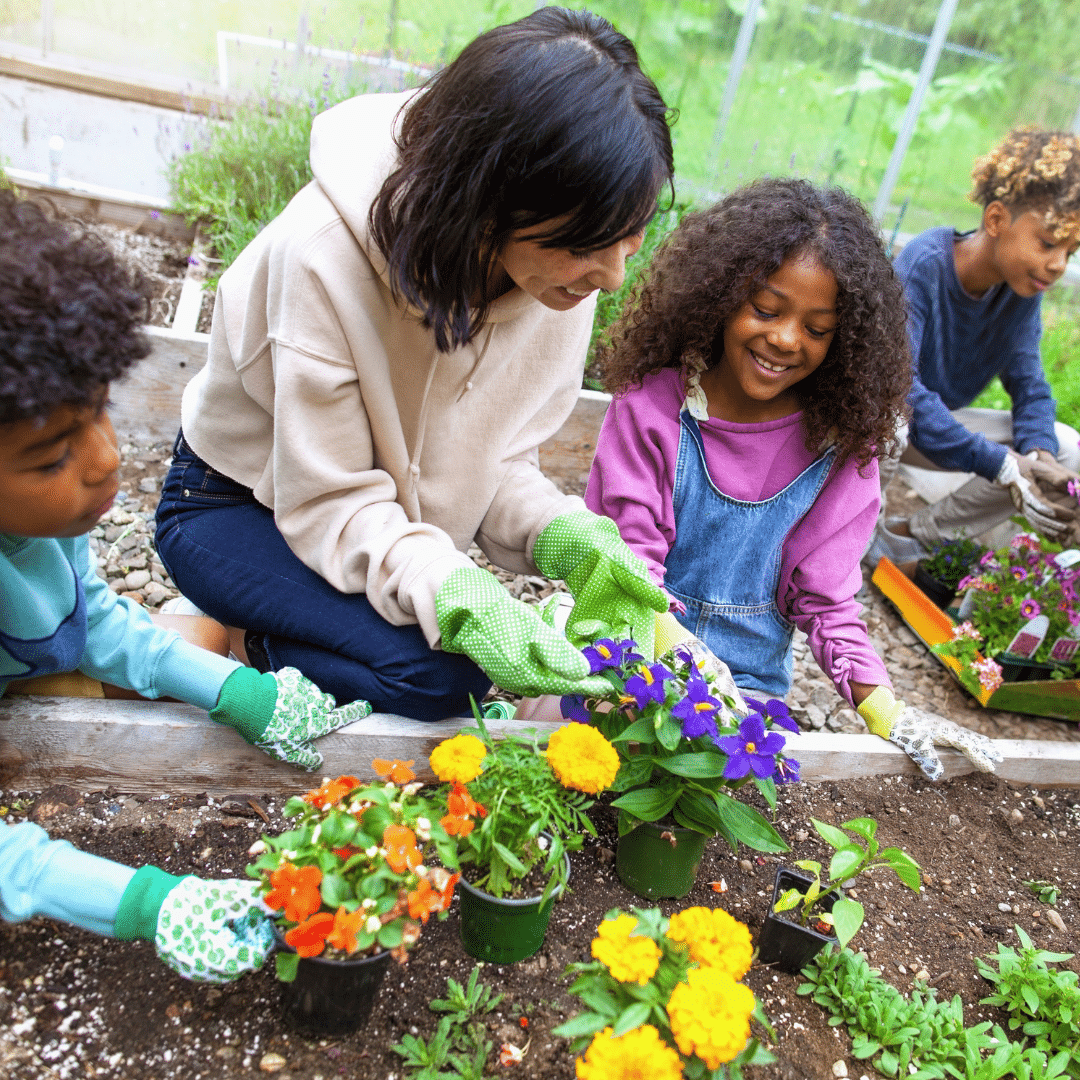
- Plant a small “gratitude garden” as a class project, emphasizing the connection between the earth’s gifts and the food we enjoy.
A Season to Teach Lifelong Values
Thanksgiving offers more than just a historical or seasonal lesson. It’s a chance to teach lifelong values: gratitude, compassion, and a sense of community. When students learn to appreciate what they have and understand the joy of giving to others, they’re not just learning about Thanksgiving—they’re learning how to create a more empathetic, connected world.
As educators, we have the privilege of shaping students not only as learners but as people. This Thanksgiving, let’s use our classrooms to spread gratitude and inspire kindness. Together, we can foster a culture of appreciation that extends far beyond the holiday season.
Happy Thanksgiving to all!