
Supporting Adversity
Trauma-informed care in early childhood education ensures that young children who have experienced adversity receive the support they need to thrive academically, socially, and emotionally. Implementing trauma-sensitive practices in schools can create safe learning environments and help children build resilience. Below is a structured plan for incorporating trauma-informed care into kindergarten classrooms and early childhood programs.
1. Understanding Trauma in Early Childhood
- Definition: Early childhood trauma refers to experiences such as neglect, abuse, family instability, exposure to violence, medical trauma, or other highly stressful events that disrupt a child’s sense of safety.
- Effects on Learning: Trauma can impact a child’s ability to focus, self-regulate, form relationships, and develop foundational learning skills.
- Common Signs in Kindergarteners:
- Difficulty with transitions or new situations.
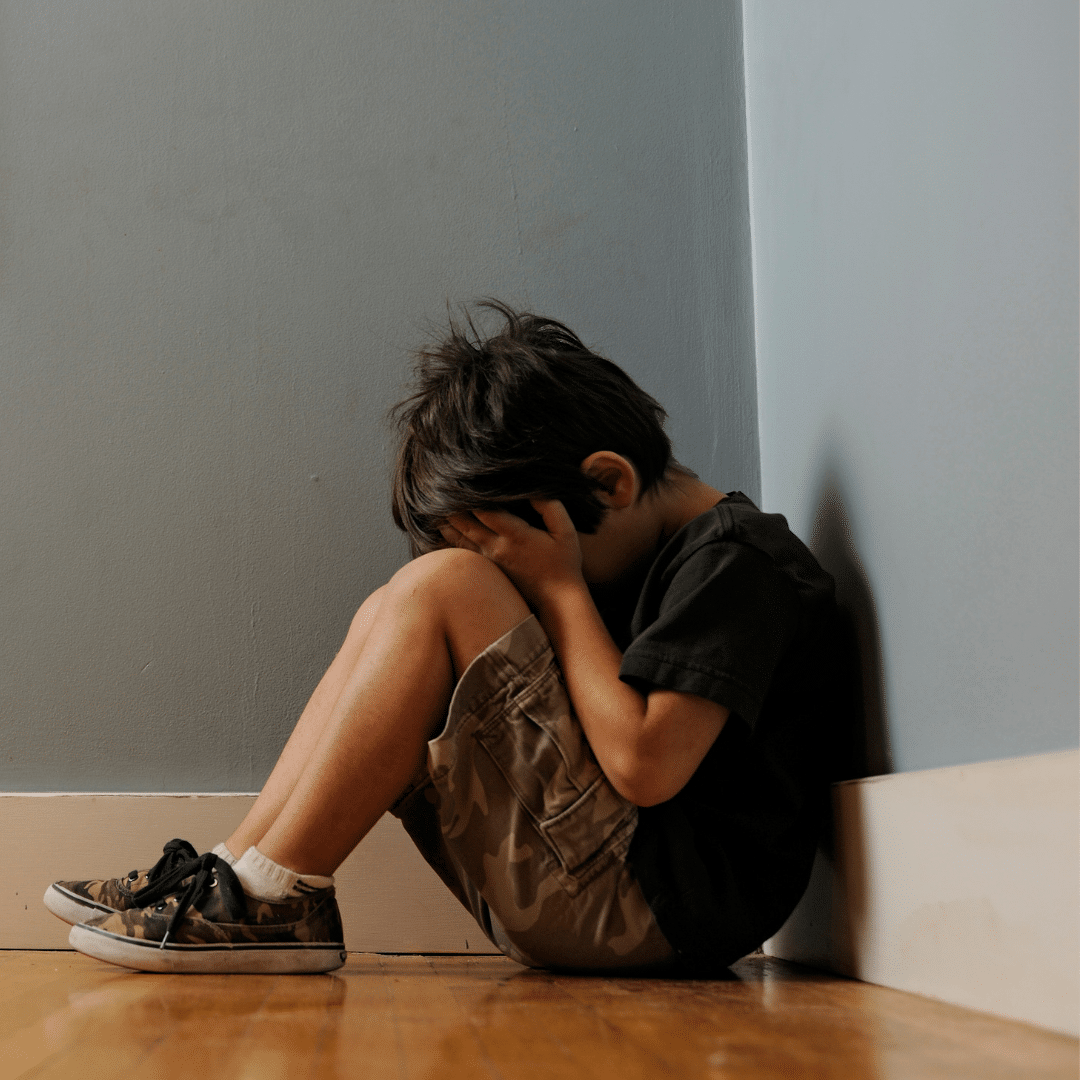
- Frequent emotional outbursts or withdrawal.
- Trouble with impulse control or aggressive behavior.
- Hypervigilance or difficulty concentrating.
2. Key Principles of Trauma-Informed Care
A trauma-informed classroom acknowledges trauma’s impact and actively works to create an environment that fosters safety and healing. The following principles guide trauma-sensitive education:
A. Safety & Predictability
✅ Establish classroom routines and clear expectations.
✅ Create visual schedules to help children anticipate what’s next.
✅ Use calm-down corners where children can regulate their emotions safely.
B. Relationships & Trust
✅ Build strong, caring relationships between students and teachers.
✅ Implement morning check-ins to gauge emotional well-being.
✅ Pair children with a consistent adult mentor (teacher, counselor).
C. Emotional Regulation & Coping Strategies
✅ Teach self-regulation skills like deep breathing, mindfulness, or sensory breaks.
✅ Use feelings charts to help children express emotions.
✅ Incorporate movement breaks (yoga, stretching, music) to help process stress.
D. Strength-Based & Culturally Responsive Approaches
✅ Focus on student strengths rather than deficits.
✅ Celebrate diversity and acknowledge different family structures and cultural backgrounds.
✅ Use trauma-informed storytelling to help children process emotions safely.
3. Trauma-Informed Classroom Strategies
A. Creating a Safe Physical Environment
- Soft lighting & cozy spaces to reduce sensory overload.
- Flexible seating to accommodate different comfort levels.
- Noise-reduction tools (headphones, quiet areas) for children sensitive to loud sounds.
B. Instructional Strategies for Trauma-Affected Students
- Flexible response time for tasks; avoid putting children on the spot.
- Offer choices in activities to give children a sense of control.
- Incorporate play-based learning to help process emotions.
C. Social-Emotional Learning (SEL)
- Implement SEL programs like Second Step, Conscious Discipline, or MindUP.
- Daily emotion check-ins using visual aids (e.g., emoji charts).
- Teach “empathy buddies” so children learn to support peers.
4. Supporting Teachers & Staff
- Professional Development: Train educators in trauma-informed practices, ACEs (Adverse Childhood Experiences), and de-escalation techniques.
- Staff Wellness Initiatives: Prevent burnout by encouraging mindfulness, self-care, and peer support among teachers.
- Collaboration with School Counselors: Regular check-ins to provide intervention for children with high trauma exposure.
5. Parent & Community Involvement
- Workshops for caregivers on trauma-sensitive parenting strategies.
- School-home communication that is compassionate and nonjudgmental.
- Partnerships with mental health professionals to provide counseling or referrals.
6. Measuring Success & Refining Approaches
- Use observation checklists to track behavioral improvements.
- Survey teachers & parents to adjust strategies.
- Regular data reviews on SEL progress and classroom climate.
Conclusion: The Future of Trauma-Informed Learning
By integrating trauma-informed care, early childhood educators can break cycles of adversity and create safe, nurturing environments that foster lifelong learning. Trauma does not have to define a child’s future—a responsive and compassionate classroom can provide healing and growth opportunities.
Screening for Trauma
Identifying early childhood trauma in kindergarteners requires developmentally appropriate, research-based screening tools. The best trauma assessments for young children focus on behavioral, emotional, and physiological responses to stress and trauma. Here are some of the most widely used and effective trauma screening tools for kindergarteners:
1. Trauma Screening and Assessment Tools for Kindergarteners
A. Pediatric Emotional Distress Scale (PEDS)
- Purpose: Screens for post-traumatic stress symptoms in children ages 2-10.
- Key Features:
- Short, easy-to-administer parent/caregiver questionnaire.
- Measures avoidance, preoccupation, and arousal symptoms related to trauma.
- Strengths: Simple, effective for early identification of distress in young children.
B. Trauma Symptom Checklist for Young Children (TSCYC)
- Purpose: A caregiver-reported questionnaire that assesses trauma-related symptoms in children ages 3-12.
- Key Features:
- Covers post-traumatic stress disorder (PTSD) symptoms, anxiety, and depression.
- Evaluates dissociation, anger, and sexual concerns.
- Strengths: Highly specific for trauma and PTSD, validated for use in clinical settings.
C. The Ages and Stages Questionnaire – Social-Emotional (ASQ:SE-2)
- Purpose: A developmental screener for social-emotional challenges, including those linked to trauma.
- Key Features:
- Measures self-regulation, communication, and emotional well-being.
- Completed by parents/caregivers or teachers.
- Strengths: Identifies children at risk for social-emotional difficulties, including those stemming from early trauma.
D. The Child Behavior Checklist (CBCL) – Preschool Version
- Purpose: Screens for emotional and behavioral problems in children aged 1.5-5 years.
- Key Features:
- Caregiver-reported checklist assessing internalizing and externalizing behaviors.
- Can identify trauma-related concerns such as aggression, withdrawal, and anxiety.
- Strengths: Offers broad insights into child behavior and mental health.
E. The Preschool PTSD Index
- Purpose: Assesses PTSD symptoms in children ages 3-6.
- Key Features:
- Can be administered as an interview with the child or a caregiver.
- Covers re-experiencing, avoidance, numbing, and hyperarousal.
- Strengths: Useful for diagnosing PTSD and differentiating trauma symptoms from other behavioral issues.
F. The Devereux Early Childhood Assessment (DECA)
- Purpose: Evaluates social-emotional resilience and protective factors in young children, including those affected by trauma.
- Key Features:
- Assesses attachment, initiative, and self-regulation.
- Can highlight early interventions needed to support children exposed to trauma.
- Strengths: Strength-based, helping to develop trauma-informed support strategies.
2. Selecting the Best Assessment
The choice of trauma screening depends on:
- Purpose: Whether it’s for screening (ASQ:SE-2, PEDS) or diagnosis (TSCYC, PTSD Index).
- Setting: Schools often use ASQ:SE-2, DECA, and CBCL, while clinical settings use TSCYC and the PTSD Index.
- Administered by: Teachers (DECA, ASQ:SE-2), caregivers (CBCL, PEDS), or mental health professionals (TSCYC, PTSD Index).
3. Next Steps After Trauma Identification
- If a child is identified as at-risk, early intervention is key.
- Schools and parents can implement trauma-informed practices to support the child’s well-being.
- Referrals to mental health professionals may be necessary for deeper evaluation.