
The Paradigm Shift in Education: From Universal Schooling to Artificial Intelligence
The landscape of education has undergone significant transformations over the centuries, with the latest shift being influenced by the integration of Artificial Intelligence (AI). This paradigm shift marks a transition from the traditional Universal Schooling model to a more personalized, technology-driven approach. Below is an in-depth look at this evolution.
Universal Schooling: The Traditional Paradigm
Historical Context
- Industrial Revolution: Universal schooling emerged during the Industrial Revolution, designed to educate the masses in a standardized manner. This model aimed to create a literate workforce capable of meeting the demands of an industrialized economy.
- Standardization: The focus was on uniformity, with a standardized curriculum, fixed schedules, and uniform assessments. This approach ensured that all students received the same education regardless of their individual needs or abilities.
Key Features
- Curriculum-Centric: The curriculum was designed to cover a broad range of subjects, with a strong emphasis on literacy, numeracy, and basic sciences.
- Teacher-Led Instruction: Teachers were the primary source of knowledge, delivering lectures and guiding classroom activities.
- Standardized Testing: Assessment was predominantly through standardized tests, designed to measure student performance against a common benchmark.
The Advent of Artificial Intelligence in Education
Technological Advancements
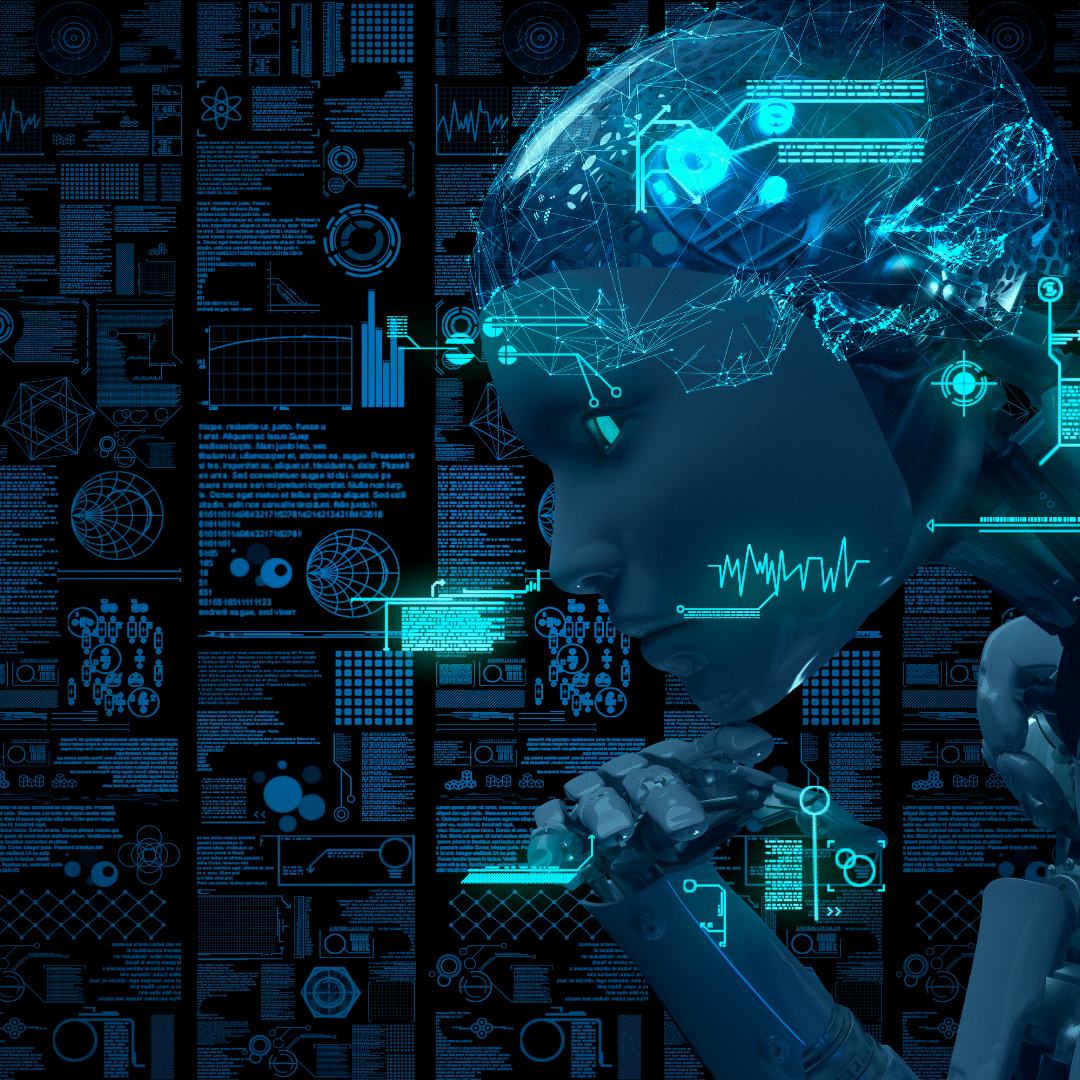
- AI and Machine Learning: Advances in AI and machine learning have introduced new possibilities for personalization and efficiency in education. AI algorithms can analyze vast amounts of data to identify patterns and provide insights that were previously unattainable.
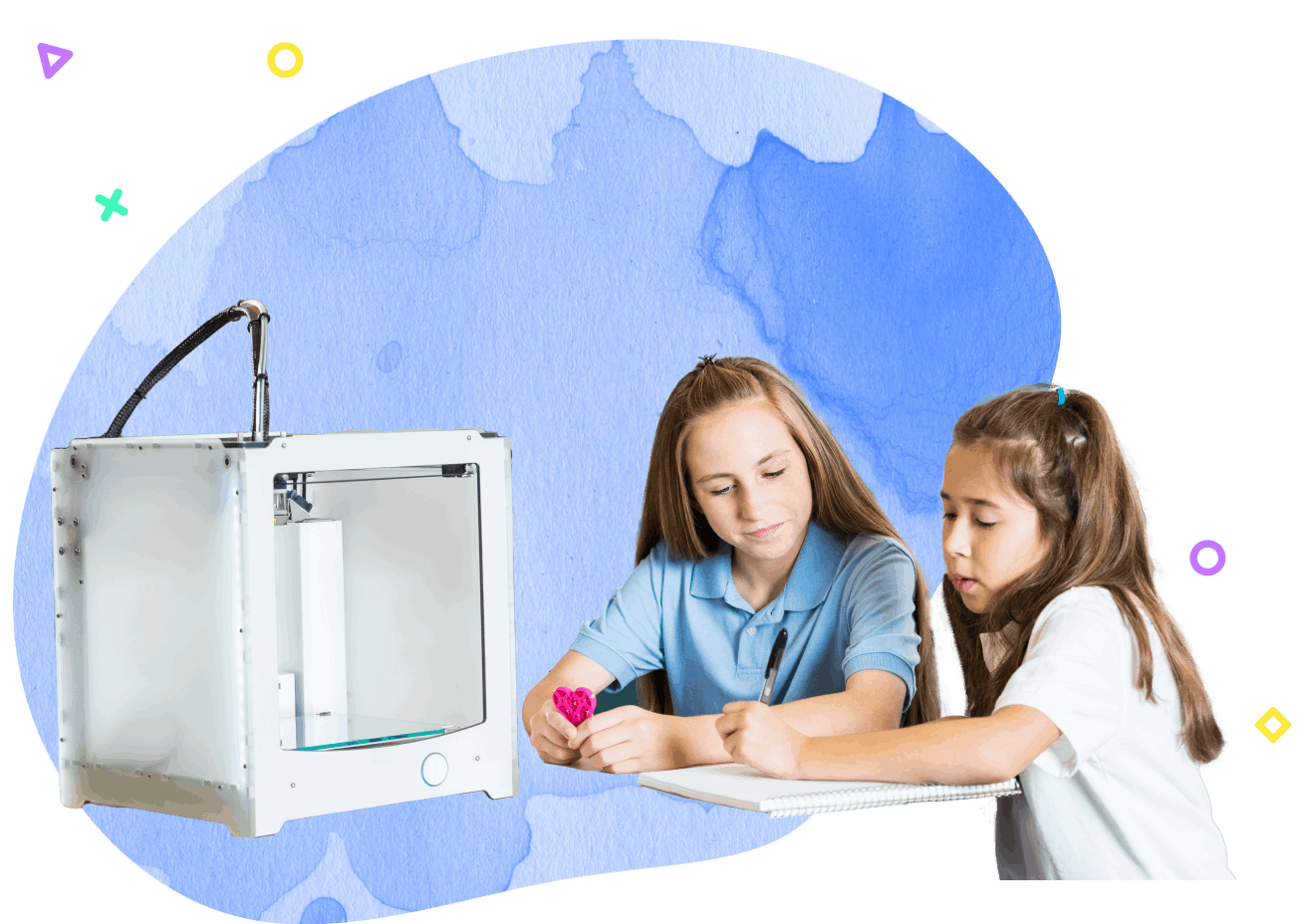
- EdTech Innovations: The proliferation of educational technologies (EdTech) has facilitated the integration of AI into the classroom. Tools such as adaptive learning platforms, virtual tutors, and intelligent content recommendations are transforming the educational experience.
Key Features of AI-Driven Education
- Personalized Learning: AI can tailor educational experiences to individual students’ needs, preferences, and learning paces. This personalized approach ensures that each student receives the support and challenges appropriate to their level.
- Data-Driven Insights: AI systems can analyze student data to provide insights into learning behaviors, identify gaps in knowledge, and suggest targeted interventions. This helps educators make informed decisions about teaching strategies and curriculum adjustments.
- Automation and Efficiency: AI can automate administrative tasks such as grading, scheduling, and attendance tracking, allowing teachers to focus more on instruction and student engagement.
- Interactive and Engaging: AI-powered tools can create interactive and engaging learning experiences. For example, virtual reality (VR) and augmented reality (AR) can immerse students in interactive environments, enhancing their understanding and retention of complex concepts.
Impacts and Implications
For Students
- Enhanced Engagement: Personalized and interactive learning experiences can increase student engagement and motivation.
- Improved Outcomes: Tailored instruction and targeted interventions can lead to better academic outcomes and a deeper understanding of subject matter.
- Accessibility: AI can provide access to quality education for students in remote or underserved areas, reducing educational inequities.
For Teachers
- Professional Development: AI tools can support teachers’ professional development by providing feedback on teaching practices and suggesting areas for improvement.
- Workload Reduction: Automation of administrative tasks can reduce teachers’ workload, allowing them to dedicate more time to instruction and student support.
- Enhanced Instruction: Data-driven insights can help teachers refine their instructional strategies and better meet the needs of their students.
For the Education System
- Efficiency and Cost-Effectiveness: AI can streamline administrative processes, reducing operational costs and improving efficiency.
- Scalability: AI-powered educational solutions can be scaled to accommodate large numbers of students, making it feasible to provide personalized education on a large scale.
- Innovation and Improvement: Continuous advancements in AI technology can drive ongoing innovation and improvement in educational practices and policies.
Challenges and Considerations
Ethical Concerns
- Privacy and Data Security: The use of AI in education raises concerns about the privacy and security of student data. It is essential to implement robust safeguards to protect sensitive information.
- Bias and Fairness: AI algorithms can perpetuate biases present in the data they are trained on. Ensuring fairness and equity in AI-driven education requires careful design and continuous monitoring.
Implementation Barriers
- Infrastructure: Effective implementation of AI in education requires significant investments in technology infrastructure, which may be challenging for underfunded schools.
- Teacher Training: Educators need to be adequately trained to use AI tools effectively and integrate them into their teaching practices.
Conclusion
The shift from Universal Schooling to AI-driven education represents a fundamental change in how we approach teaching and learning. By leveraging the capabilities of AI, we can create more personalized, efficient, and engaging educational experiences. However, it is crucial to address the associated challenges and ensure that the benefits of AI in education are accessible to all students.
For further reading on this topic, consider exploring sources such as the Brookings Institution and the World Economic Forum.