Versatile Intelligence and Assessment

A Framework for Discovering How Learning Happens

Versatile Intelligence and Assessment (VIA) is an educational framework developed at The SchoolWorks Lab to better understand how students learn, how teachers influence that learning, and how evidence can help us see growth as it happens.

VIA begins with a different conception of intelligence. Rather than treating intelligence as fixed or reducing learning to a test score, VIA views intelligence as dynamic, multifaceted, and capable of being developed through experience, teaching, connection, and reflection.
Teachers Are Architects of Learning

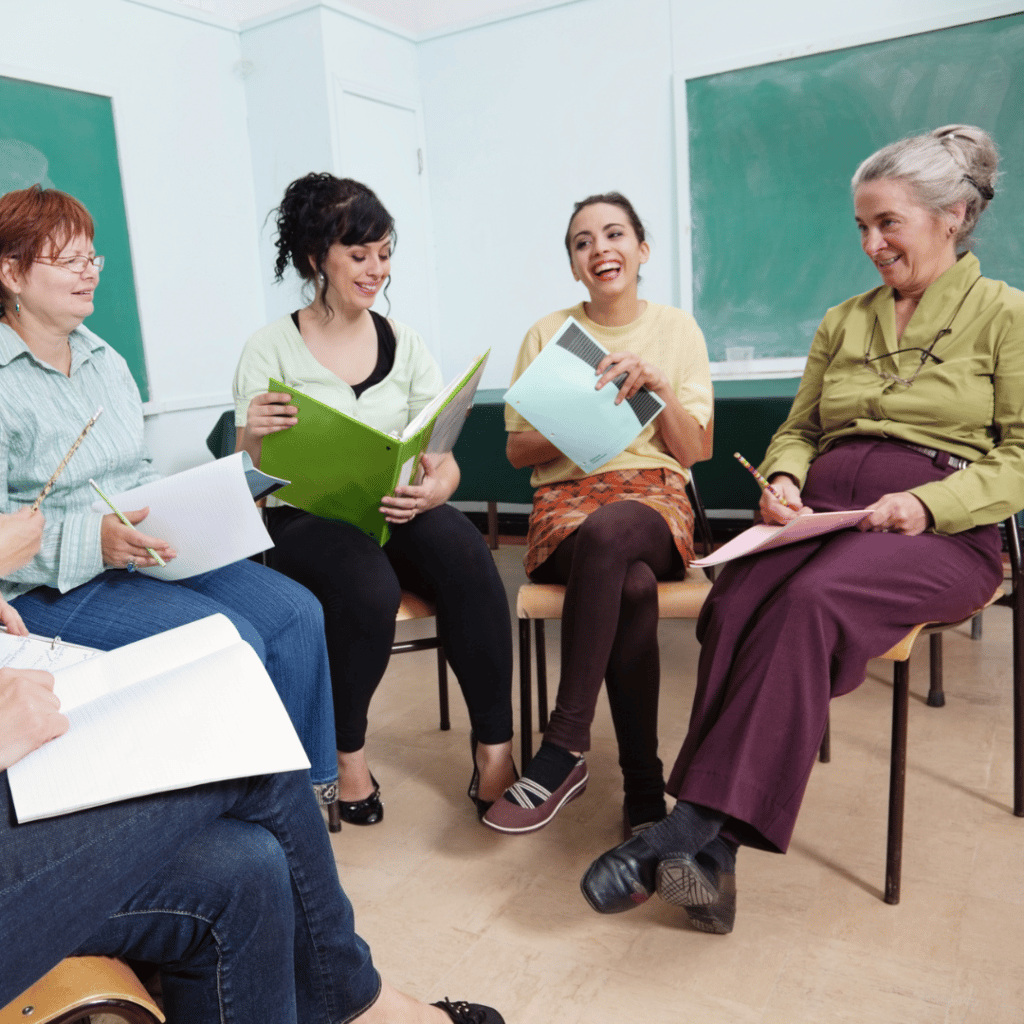
At the center of VIA is The Teacher. Teachers do more than deliver knowledge. They design experiences that help students make connections, solve problems, think critically, adapt what they know to new situations, and develop increasingly sophisticated ways of understanding the world. VIA therefore places teachers at the center of the process as architects of student learning and intelligence.

Learning Leaves Evidence

For more than forty years, educational research has explored the importance of evidence of student learning. VIA takes that idea seriously.

Tests can provide useful information, but students reveal learning in many other ways: through their writing, projects, experiments, discussions, performances, explanations, reflections, problem-solving, and work over time. The research described in Schooling the Future found strong teacher support for these kinds of performance assessments as ways of understanding what students know and can do.

The goal is not simply to collect more data, it is to gather better evidence—evidence teachers can actually use.

Five Ideas Organize VIA

VIA brings established teaching practices together into a coherent framework:

Perzonalized Learning

Learning begins with the individual learner—their strengths, needs, interests, experiences, and growth.

Versatile Intelligence

Intelligence is not one-dimensional. Students develop different ways of thinking, connecting, creating, solving problems, and applying what they know.

Evidence of Learning

Assessment should capture meaningful evidence of what students understand and can do—not simply produce a score.

Creativity & Integration

Knowledge becomes more powerful when students connect ideas and skills across disciplines and use them in authentic situations.

Contributing to Community

Learning has purpose when students can use their developing knowledge and abilities to participate in and contribute to the communities around them.

From Theory to Practice

VIA was created to help bridge a persistent divide between educational research and classroom practice. Rather than introducing another isolated reform, it organizes research and tested teaching practices into a framework teachers can use to understand and improve learning.

That leads directly to the work of The SchoolWorks Lab.

We work alongside teachers and students to ask:

What evidence would help us understand how this student is learning—and what should happen next?

Over time, those individual pieces of evidence can reveal something much richer than a single test score: the development of the learner.

Discover How Learning Happens.

VIA gives us the framework.

Teachers create the learning.

Students provide the evidence.

Research helps us understand what it means.

The SchoolWorks Lab turns that understanding into better questions, better teaching, and better opportunities for learners.