Pilots & Findings
From Ideas to Classrooms
The true test of an idea is what happens when it meets teaching and learning. We work with teachers and schools to investigate our research questions in real classrooms.

The true test of an idea is what happens when it meets teaching and learning. We work with teachers and schools to investigate our research questions in real classrooms.
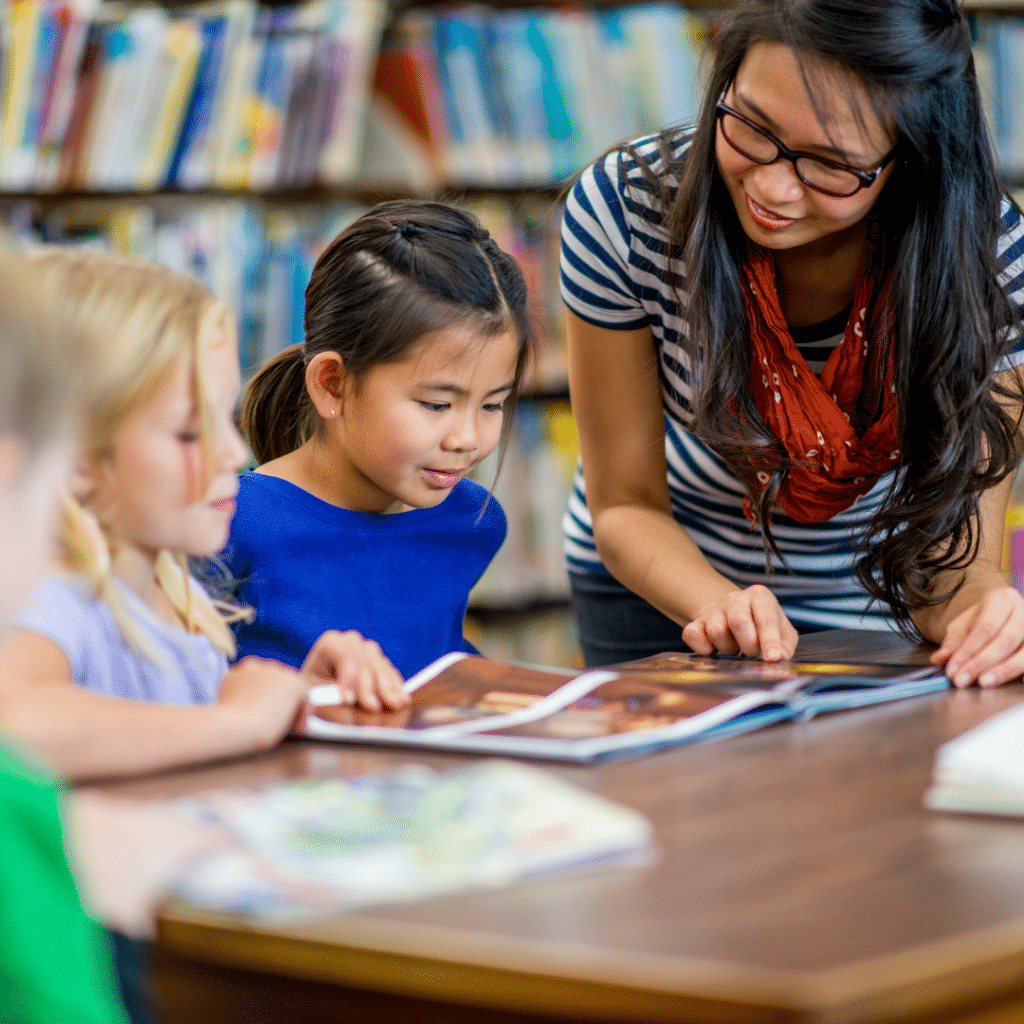
Teachers work with us to figure out which learning evidence is actually useful, which is a burden, what only becomes visible over time, and whether better-organized evidence can help them make stronger instructional decisions.
We bring together different ages, subjects, teaching approaches, technologies, and cultural contexts, and that mix is deliberate. If we want to understand learning, we have to study it where it really happens.
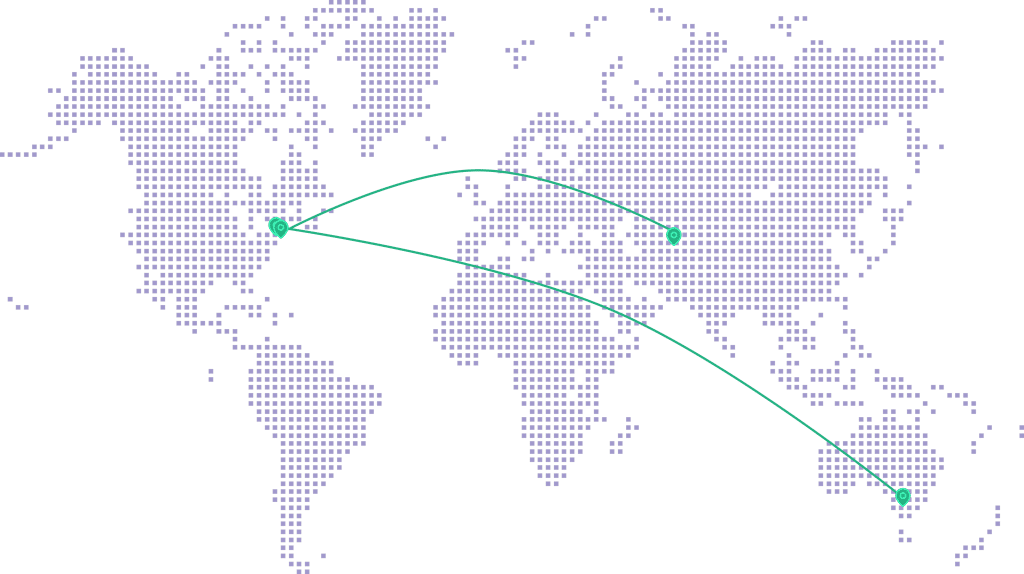
Our planned 2027 pilot program will bring SchoolWorks research into schools in the United States, Australia, and India. Each setting allows us to investigate different dimensions of the same larger question: Can better evidence help us understand learning as it develops?
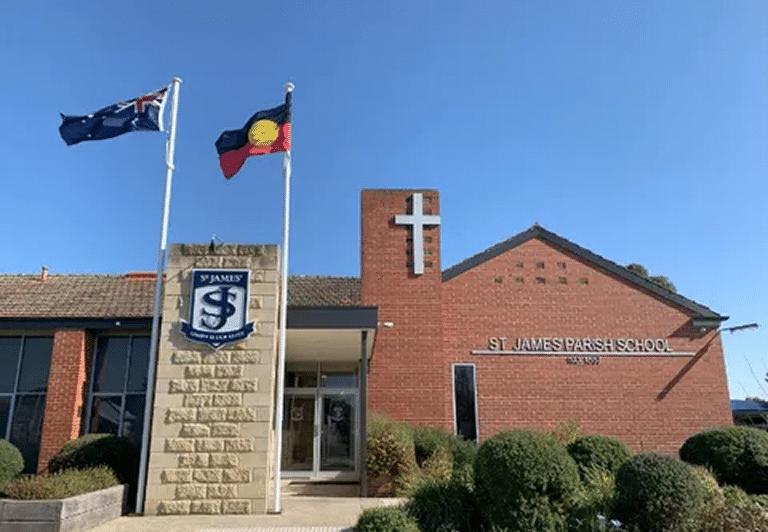
SchoolWorks is developing a pilot with St. James Parish Primary School in Melbourne, Australia. The pilot will explore how Pathfinder can organize the rich evidence teachers already gather—including observations, student work, conversations, photographs and other classroom documentation.

SchoolWorks is developing a pilot with sixth-grade teachers at Seabrook Middle School in New Hampshire. The work will examine whether evidence gathered in English language arts and social studies can provide a more complete longitudinal picture of student learning.

SchoolWorks is exploring a pilot with educators at Winnacunnet High School in New Hampshire. The proposed work would examine how teachers can capture and interpret evidence of developing understanding alongside existing assignments, examinations and accountability requirements.

SchoolWorks is developing a pilot relationship with Stanvard educators in Udaipur, Rajasthan. The proposed study would involve two comparable classroom sections—one using Pathfinder and one continuing with existing instructional and assessment practices.
Although each pilot is different, the sites contribute to a common research agenda.
Research Question | Australia | Seabrook | Winnacunnet | India |
|---|---|---|---|---|
| Teacher Workload | ✓ | ✓ | ✓ | |
| Learning Patterns | ✓ | ✓ | ✓ | ✓ |
| Professional Judgment | ✓ | ✓ | ✓ | ✓ |
| Student Portfolios | ✓ | ✓ | ||
| Interoperability | ✓ | ✓ | ||
| Cross-Cultural Validity | ✓ | ✓ |
Together, the pilots allow us to compare what happens across settings rather than drawing conclusions from a single implementation.
Feasibility
Can educators actually use the approach during normal teaching?
Evidence Quality
Does the information collected provide meaningful evidence of student learning?
Teacher Usefulness
Does the evidence help teachers understand students or make instructional decisions?
Student Participation
Can students meaningfully contribute to documenting and reflecting on their learning?
Teacher Workload
Does the approach reduce, redistribute, or unintentionally increase teacher work?
Longitudinal Value
Does evidence become more useful when examined across time?
Technology
Can Pathfinder help organize and surface evidence without becoming another burden?
Transferability
Which elements work across subjects, grade levels, schools, and countries — and which must change?
This section of the SchoolWorks website will evolve as the pilots progress. For each pilot, we intend to document:
The Research Question
What are we trying to understand?
The Context
Where and with whom are we studying it?
The Approach
What are teachers and researchers doing?
The Evidence
What information are we examining?
What We Are Observing
What patterns appear to be emerging?
Findings
What conclusions does the evidence ultimately support?
Questions Raised
What do we need to investigate next?
This creates a public record not simply of our successes, but of our learning.
We believe this distinction matters.
SchoolWorks will distinguish experience, observation, emerging evidence, and research findings. That discipline is essential if our goal is to contribute trustworthy knowledge about learning.
Evidence from the pilots returns to the SchoolWorks research cycle.
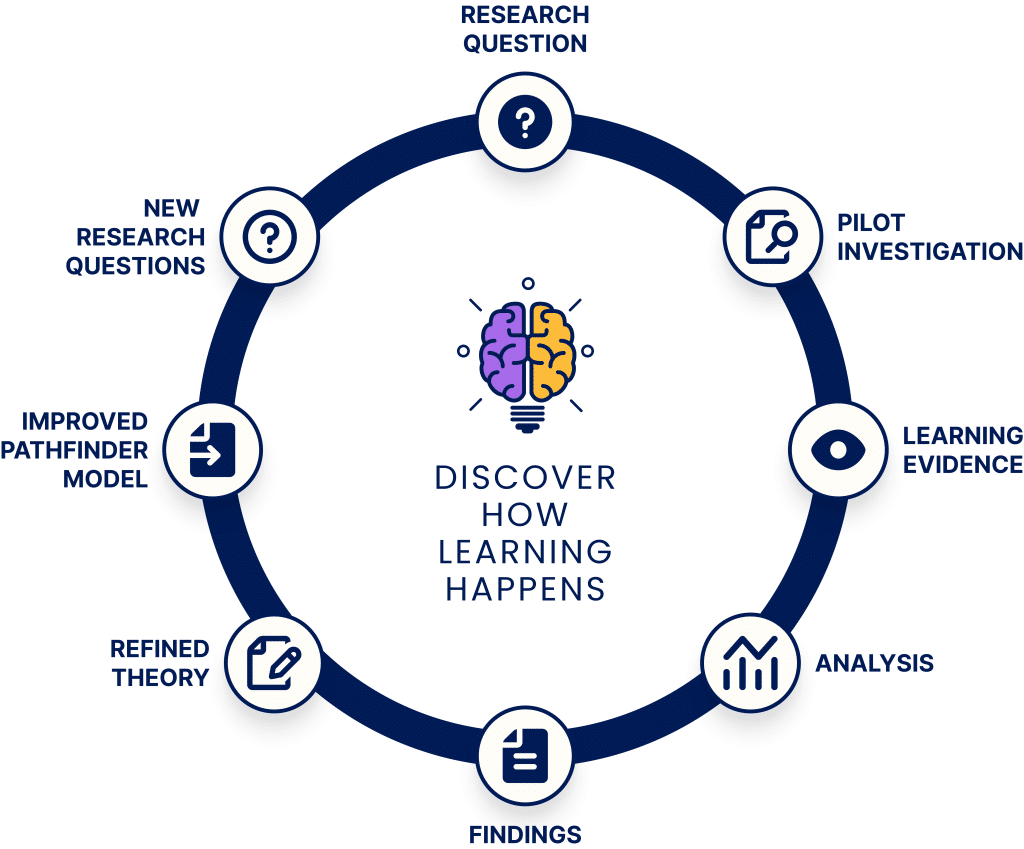
The purpose of the pilots is not to prove that we were right. It is to help us discover what is true.
The SchoolWorks Lab will share pilot updates, emerging observations, research reports, and findings as this work develops.